
FCA BNPL Final Rules: The £13 Billion Sector That Comes Under Regulation on 15 July 2026
Credit: The SUN
From a £60 million niche in 2017 to over £13 billion in 2024, Buy Now Pay Later enters the FCA's regulatory perimeter with Consumer Duty, affordability checks, and 11 million UK users now protected.
Context:
On 11 February 2026, the FCA confirmed its final rules for the regulation of Buy Now Pay Later (BNPL), with the new regime going live on 15 July 2026 (Regulation Day). The rules follow the consultation paper CP25/23 published in the summer of 2025, and implement the government's decision to bring previously unregulated BNPL agreements within the FCA's regulatory perimeter.
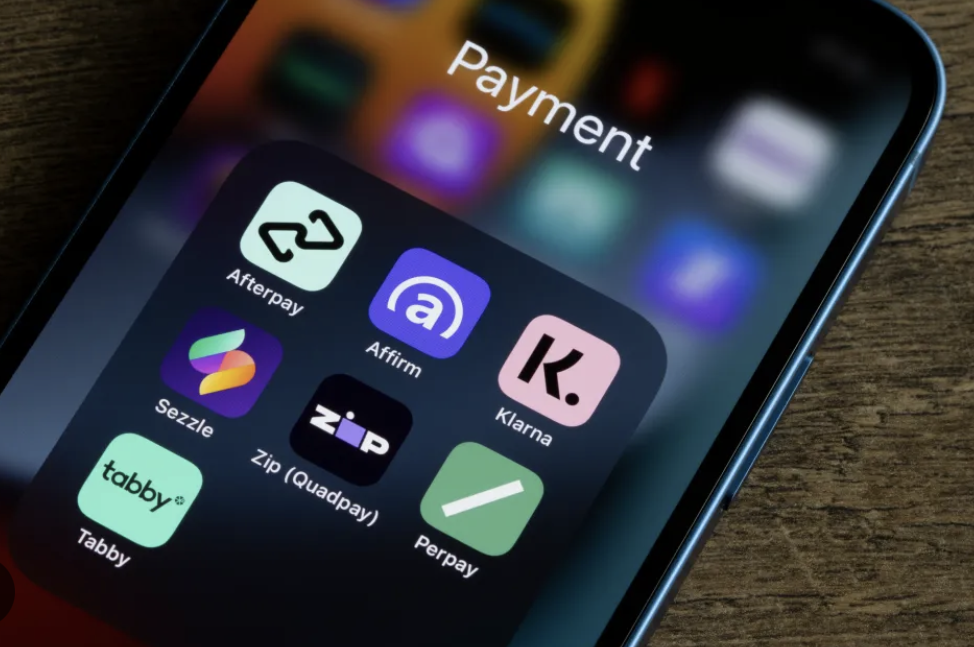
The scale of the market change this represents is striking. BNPL was a niche product worth £60 million in 2017. By 2024, it had grown to over £13 billion in annual transactions, with approximately 11 million UK consumers using BNPL regularly. Despite this scale, BNPL lenders operating through third-party arrangements have operated entirely outside FCA supervision. For the majority of those 11 million users, there have been no affordability checks before credit is extended, no rights to complain to the Financial Ombudsman Service, and no Consumer Duty protections.
The FCA's approach is notably proportionate; the regulator has been explicit that it sees BNPL as providing an important and legitimate source of credit for many consumers, and has deliberately avoided creating a compliance framework that would drive smaller players out of the market or kill the product. The focus is on Consumer Duty outcomes, proportionate affordability assessment, and clear information rather than prescriptive product rules.
Rules and Guidelines:
Under the new framework from 15 July 2026, BNPL agreements provided by third-party lenders (where the lender and the goods/services supplier are separate parties) become regulated credit agreements - Deferred Payment Credit. Lenders will be required to: obtain FCA authorisation (or operate under the Temporary Permissions Regime while seeking authorisation); conduct proportionate affordability assessments before extending credit; provide clear pre-contract information including payment schedules, amounts due, and consequences of missed payments; comply with the Consumer Duty; support customers in financial difficulty and signpost to free debt advice; and submit to the jurisdiction of the Financial Ombudsman Service for complaints.
The Temporary Permissions Regime (TPR) window runs from 15 May to 1 July 2026. Firms that have been providing BNPL since at least 15 July 2025 can register for the TPR, allowing them to continue operating under temporary permission while seeking full authorisation. The registration fee is £280. Firms that do not register by 1 July 2026 cannot initiate new DPC agreements after Regulation Day. Existing agreements entered into before 15 July 2026 remain unregulated regardless.
Suppliers providing their own credit (own-brand deferred payment at point of sale) remain exempt from regulation, as do brokers, but the government will continue monitoring these categories. Mobile payments, credit cards, and conventional consumer credit, already regulated under the Consumer Credit Act, are unaffected.
Businesses Affected:
Third-party BNPL lenders (Klarna, Clearpay, Laybuy, PayPal Credit in BNPL mode) face the most significant compliance transformation from July 2026, including authorisation, Consumer Duty implementation, and affordability assessment framework development.
Merchants and retailers offering BNPL at checkout must ensure their checkout journeys flow down lender-required disclosures and update UX, marketing, and in-store materials to reflect the regulated status.
Consumer credit and affordability compliance teams at banks and non-bank lenders considering entering the BNPL market, for whom the new framework creates a level playing field.
FCA-regulated banks already providing regulated credit, who may compete more effectively now that BNPL incumbents face equivalent consumer protection obligations.
Next Steps:
BNPL lenders: register for the TPR between 15 May and 1 July 2026 if you have been operating since at least 15 July 2025. You cannot provide new DPC agreements after 15 July without TPR or full authorisation.
Begin full FCA authorisation preparation. TPR provides a six-month window to obtain full authorisation. Given the FCA's current authorisation processing times, applications should be submitted promptly after TPR registration.
Design and implement proportionate affordability assessment processes. The FCA has not prescribed a single approach; firms should calibrate their assessment to the credit amount and consumer profile, with more thorough checks for larger or repeat credit. Document the methodology.
Retailers and merchants: engage your BNPL lender counterparts on what changes to checkout disclosure and customer journey are required. Do not assume that regulatory obligations land only on the lender — Consumer Duty may apply to how merchants facilitate the credit agreement.
Update FOS complaint handling procedures. From 15 July 2026, BNPL customers have the right to complain to the FOS. Ensure your complaints function is resourced, trained, and ready.
Source | FCA | Buy Now Pay Later
