
PSR Penalises Bank of Ireland for Delayed Confirmation of Payee Rollout
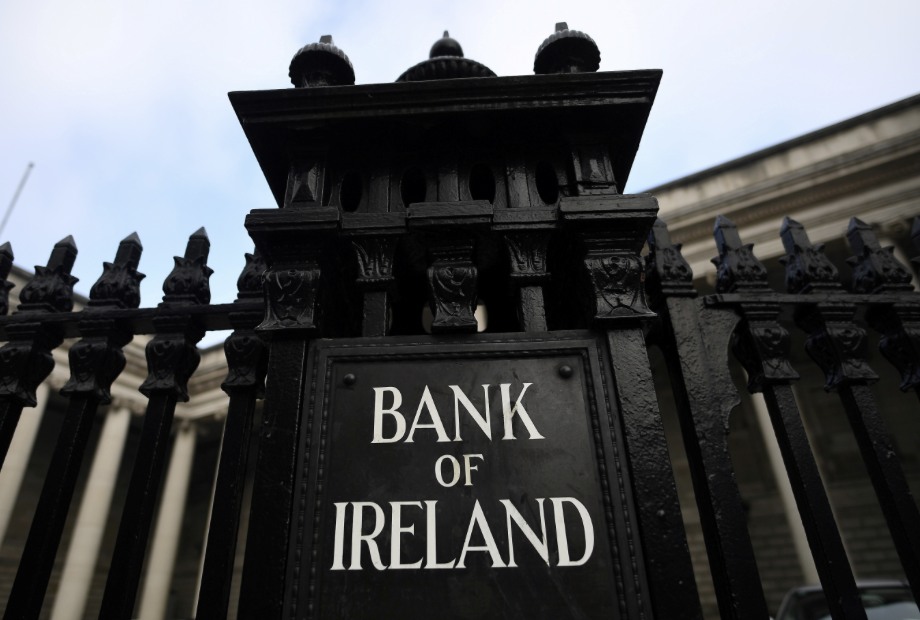
Bank of Ireland, Dublin. Credit | Reuters
Context:
The Payment Systems Regulator has imposed a £3.78 million penalty on Bank of Ireland (UK) plc after finding that the firm failed to meet the deadline for implementing Confirmation of Payee send functionality under Specific Direction 17. The decision relates to the regulator’s wider effort to reduce authorised push payment fraud and misdirected payments across the UK payments market. The PSR’s notice makes clear that firms subject to its directions are expected to organise their systems and resources so that regulatory changes can be delivered within the required timeframe.
Content:
The case centred on Bank of Ireland (UK)’s failure to implement Confirmation of Payee for two payment channels, Banking 365 and Business On Line, by the 31 October 2023 deadline. Although the bank had already introduced Confirmation of Payee response functionality and had made progress on its wider programme, it did not have send capability in place on time. B365 was not compliant until 10 February 2024, and BOL did not become compliant until 7 January 2025. During that period, more than 1.14 million new payees and around £6.9 billion of transactions were affected.
The PSR accepted that the non-compliance was not deliberate or reckless, but it found that the bank had sufficient notice of the requirement and should have managed its dependencies more effectively. In particular, it criticised the failure to assess interim solutions, the delay in notifying the regulator that compliance would be missed, and the lack of contingency planning for a foreseeable regulatory deadline.
Businesses Affected:
This decision is directly relevant to payment service providers, banks, building societies, and other institutions using Faster Payments or CHAPS, particularly those required to implement Confirmation of Payee under the PSR’s directions. It is especially important for firms with legacy platforms, complex group structures, or business banking channels where system changes can be slow and operationally difficult. The case also has wider relevance for fintechs and payment firms that rely on external vendors or internal transformation programmes, because the PSR’s expectations extend to proactive planning and timely escalation.
For commercial and corporate customers, the notice is a reminder that payment infrastructure failures can have direct business consequences. The BOL channel primarily served larger and more complex businesses, and the absence of Confirmation of Payee increased the risk of misdirected payments and fraud on high-value transactions. That makes this decision particularly significant for institutions serving corporate and business clients, not just retail consumers.
Payment Systems Regulator, Bank of Ireland & Confirmation of Payee
By, Rishika R
