
ISDS - The Hidden Legal Weapon Blocking the Energy Transition
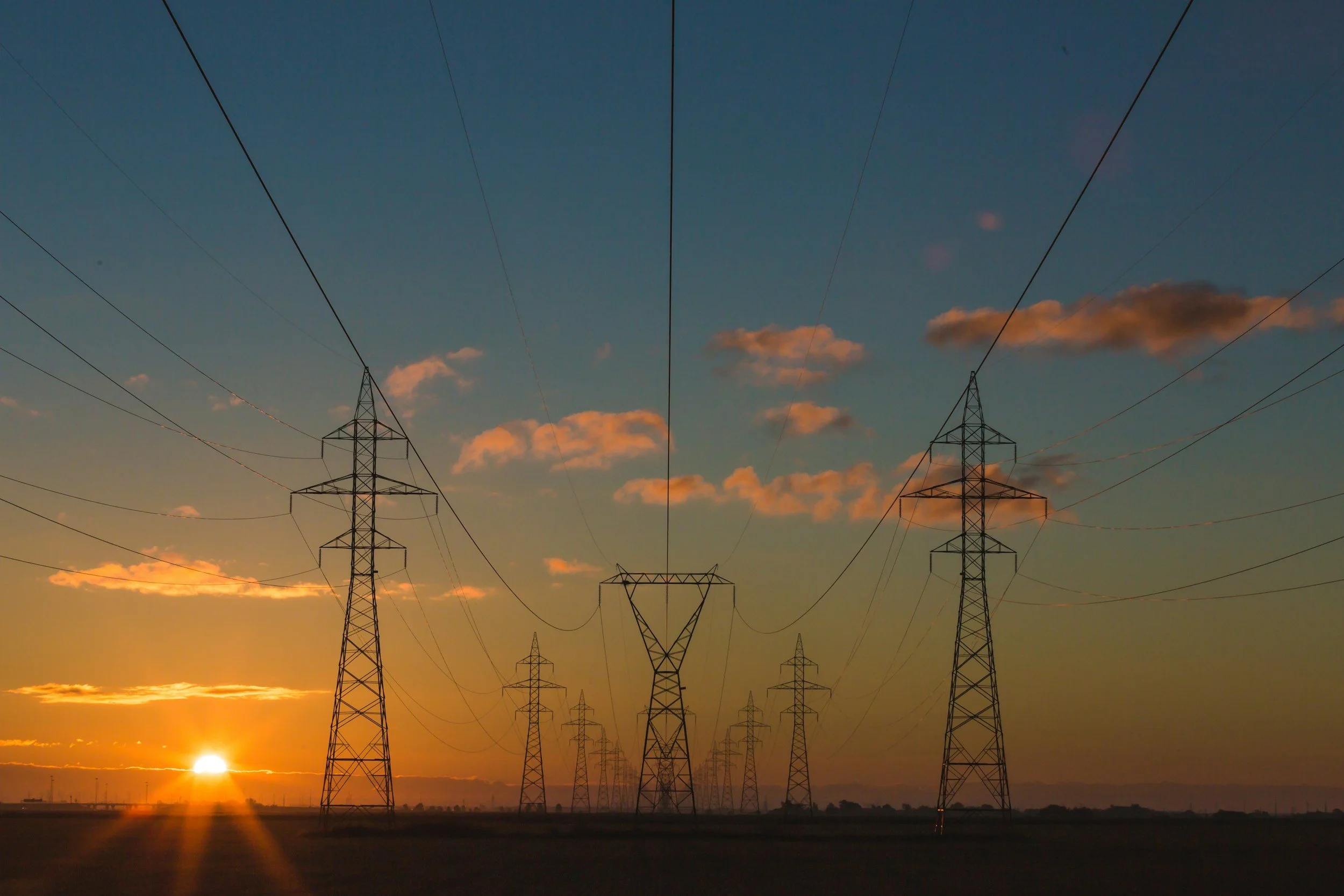
E3G has published a detailed explainer on investor–state dispute settlement (ISDS), a provision in over 2,500 international investment treaties that allows fossil fuel companies to sue governments for enacting climate policies. The blog sets out why ISDS reform is a prerequisite for an orderly energy transition and highlights key cases already threatening governments' ability to act.
Context:
Written by Maeve Collins-Tobin and Eunjung Lee and published on 13 April 2026, this E3G explainer addresses one of the most under-discussed structural barriers to climate action: the use of investment treaties to penalise governments for enacting legitimate environmental regulations. The blog arrives as the First Conference on Transitioning Away from Fossil Fuels was held in April 2026, co-hosted by the Netherlands and Colombia, both countries that face significant ISDS exposure from fossil fuel investors.
ISDS provisions allow foreign investors to bring claims before private international arbitration tribunals when host governments take action that affects their expected profits. These tribunals operate outside normal judicial systems: decisions are final and not bound by legal precedent, compensation is paid from public budgets, and proceedings are not required to be transparent. By 2023, the fossil fuel sector had secured over $77 billion in ISDS compensation globally, and at least 249 known fossil fuel-related cases had been filed by the end of 2024, with the true number likely higher since proceedings are not always public.
E3G argues that ISDS has evolved well beyond its original purpose of protecting investors from arbitrary government action (such as property seizure without compensation) into a mechanism that is systematically weaponised against legitimate climate regulation. Three structural risks flow from this: (1) ISDS functions as de facto state-backed insurance for fossil fuel investors, shifting business risk onto the public when climate policies reduce expected profits; (2) governments delay or weaken climate action due to regulatory chill, the financial risk of being sued; and (3) even a single large claim can severely constrain the fiscal space of smaller or developing economies. E3G calls for coordinated global reform to break the lock-in created by thousands of existing treaties.
Rules and Guidelines:
No new regulatory rules flow directly from this publication, it is an analytical and advocacy document calling for treaty reform
The key legal mechanism at issue is ISDS, contained in bilateral investment treaties (BITs), multilateral investment agreements, and the Energy Charter Treaty (ECT)
Fossil fuel investors use ISDS to claim compensation when governments enact coal phase-outs, extraction bans, or environmental impact requirements affecting their expected profits
Sunset clauses in terminated treaties can extend ISDS protection for years or decades beyond treaty termination, but only mutual termination neutralises this risk
COP28's 'transition away from fossil fuels' commitment and the NDCs of 84% of countries that published updated pledges in 2025 are at structural risk from ISDS provisions in existing treaties
Businesses Affected:
Governments and regulators enacting energy transition legislation including the UK government as it develops its Clean Power 2030 obligations and oil and gas phase-down policies
Financial institutions with exposure to fossil fuel assets covered by international investment treaties, particularly those in jurisdictions like the Netherlands (87% of fossil fuel assets have ISDS-protected investors) or Colombia (56%)
Sovereign wealth funds, pension funds, and insurers with governance and stewardship obligations over treaty-protected investments
Banks and capital markets teams financing energy transition projects in jurisdictions with high ISDS exposure, as government policy risk is structurally elevated
ESG and responsible investment teams that need to incorporate ISDS treaty risk into transition risk assessments
Corporate treasuries and legal teams advising on cross-border investment structures in the energy sector
Next Steps:
Financial institutions should incorporate ISDS treaty exposure into country-level climate policy risk assessments, particularly for investments in jurisdictions with high fossil fuel ISDS exposure
ESG and stewardship teams should engage with E3G's work and relevant policy discussions on ISDS reform, including at the UN, UNCTAD, and in bilateral investment treaty renegotiations
Governments and public sector lenders should review their investment treaties for ISDS provisions affecting clean energy transition obligations, particularly in relation to the Energy Charter Treaty and bilateral BITs
Legal advisers should brief boards on the regulatory chill effect and the systemic risk that ISDS poses to the government policy environment that underpins clean energy investment returns
Asset owners should consider whether ISDS claims by investee companies against climate legislation are consistent with their stewardship commitments and net-zero alignment targets
E3G Think Tank | Source: ISDS for Energy Transition
